Embarking on an elk hunt is a dream for many‚ but the costs can seem daunting; However‚ affordable guided elk hunts are attainable‚ offering a balance between experience and expense.
These hunts cater to those seeking a structured‚ successful experience without the overwhelming financial burden of fully independent ventures‚ making elk hunting accessible.
Guided hunts provide expertise‚ access to prime hunting grounds‚ and logistical support‚ ultimately increasing your chances of a rewarding and memorable elk hunting adventure.
What Makes an Elk Hunt “Affordable”?
Defining “affordable” in elk hunting is relative‚ heavily influenced by location‚ hunt duration‚ and included amenities. Generally‚ an affordable elk hunt minimizes costs without sacrificing a reasonable chance of success. This often means focusing on states with lower non-resident tag fees‚ like Idaho‚ historically offering tags under $600‚ though prices are increasing.
Affordability also hinges on the package inclusions. Basic packages typically cover guiding services‚ lodging‚ and meals‚ while more expensive options add amenities like trophy care or specialized equipment. A truly affordable hunt prioritizes essential services‚ allowing hunters to control additional expenses like travel and personal gear.
Furthermore‚ considering antlerless elk tags can significantly reduce costs‚ often costing half the price of bull tags. Ultimately‚ an affordable elk hunt balances cost-effectiveness with a realistic expectation of a quality hunting experience‚ maximizing value for the investment.
The Appeal of Guided Hunts for Budget Hunters
For hunters operating on a budget‚ guided elk hunts offer compelling advantages over fully DIY (Do-It-Yourself) approaches. While seemingly counterintuitive to save money by paying for guidance‚ the benefits often outweigh the costs. Outfitters possess intimate knowledge of local elk populations‚ migration patterns‚ and prime hunting locations – knowledge that can take years to acquire independently.
This expertise dramatically increases the probability of a successful hunt‚ potentially saving hunters the expense of multiple unsuccessful self-guided attempts. Guided hunts also streamline logistics‚ handling permits‚ licenses‚ and often providing lodging and meals.
This reduces the burden of planning and associated costs. Furthermore‚ experienced guides enhance safety‚ particularly in unfamiliar terrain; For budget hunters‚ a guided hunt represents a strategic investment‚ maximizing their chances of harvesting an elk while minimizing wasted time and resources.

Key States for Affordable Elk Hunting
Several Western states stand out as prime destinations for budget-conscious elk hunters‚ offering a blend of accessible public lands and reasonable tag fees for non-residents.
Idaho‚ Montana‚ Wyoming‚ and Colorado consistently appear as top choices‚ each presenting unique opportunities and cost structures for a successful elk hunt.
Idaho: Historically Low Non-Resident Tag Costs
Idaho has long been recognized as a particularly affordable state for non-resident elk hunters‚ historically boasting some of the lowest tag costs in the West. While prices are subject to change‚ Idaho traditionally offered a comparatively accessible entry point for out-of-state hunters seeking a quality elk experience.
In recent years‚ however‚ tag prices have seen increases. As of late 2020‚ an archery elk license/tag cost around $586 for non-residents. Projections indicated a significant jump to $913 for the same opportunity in the following year. Despite these increases‚ Idaho often remains competitive when compared to other popular elk hunting destinations.
The state’s vast public land holdings also contribute to its appeal‚ providing ample opportunity for hunters to explore and pursue elk on their own or with the assistance of a guided outfitter. This combination of relatively lower tag fees and abundant public access makes Idaho a consistently attractive option for those seeking an affordable elk hunt.
Montana: Public Land Opportunities & Tag Pricing
Montana presents a compelling option for budget-conscious elk hunters‚ largely due to its extensive public land access. The state boasts significant acreage open to public hunting‚ reducing the need for expensive leases and increasing the potential for a successful‚ affordable hunt. This accessibility is a major draw for those seeking a DIY or guided experience without breaking the bank.
Tag pricing in Montana varies depending on the type of tag and the hunting district. Non-resident elk tags can range in cost‚ requiring careful research to identify the most affordable options. Hunters should explore different districts and tag types‚ including general and limited-entry permits‚ to find the best value.
Combining the availability of public land with strategic tag selection allows hunters to maximize their budget and enjoy a rewarding elk hunting adventure in the Big Sky Country. Guided hunts can further enhance the experience‚ providing local knowledge and increasing the odds of success.
Wyoming: Balancing Cost and Quality
Wyoming offers a unique proposition for elk hunters – a balance between cost and the potential for a high-quality hunt. While not the cheapest state‚ Wyoming provides opportunities to secure affordable guided elk hunts‚ particularly when considering the caliber of the elk herds and the overall hunting experience. Careful planning and research are crucial to maximizing value.
Non-resident elk tag prices in Wyoming can be substantial‚ but the state’s diverse terrain and abundant elk populations justify the investment for many hunters. Exploring different hunting areas and considering limited-draw opportunities can yield more affordable options.
Guided hunts in Wyoming often provide access to prime hunting grounds and expert guidance‚ increasing the likelihood of a successful harvest. Balancing tag costs with the benefits of a guided experience allows hunters to enjoy a memorable and rewarding elk hunt in a premier destination.
Colorado: OTC (Over-the-Counter) Tag Options
Colorado stands out as a premier destination for affordable elk hunting‚ largely due to its Over-the-Counter (OTC) tag availability. This system allows hunters to purchase elk tags without needing to participate in a draw‚ simplifying the planning process and reducing uncertainty. While competition can be fierce‚ OTC tags represent a significant cost-saving opportunity.

Guided hunts in Colorado‚ paired with OTC tags‚ offer a compelling value proposition. Outfitters can provide access to less-pressured hunting areas and expert guidance‚ increasing the chances of success. However‚ be prepared for more hunters in the field compared to limited-draw states.
The combination of accessible tags and diverse terrain makes Colorado an attractive option for budget-conscious elk hunters. Careful research into unit-specific regulations and hunting pressure is essential for maximizing your chances of a rewarding hunt.
Understanding the Costs Involved
Elk hunt expenses vary widely‚ encompassing non-resident tag fees‚ guided package inclusions‚ travel logistics‚ and essential gear investments. Careful budgeting is crucial for affordability.
Non-Resident Tag Fees: A State-by-State Breakdown
Navigating non-resident elk tag fees is a critical first step in planning an affordable hunt. Costs fluctuate significantly between states‚ impacting overall trip expenses. Idaho historically presented lower fees‚ with archery elk tags around $586 in 2020‚ but recent increases now place them at $913 for 2025.
Other states present different financial landscapes. Montana offers public land opportunities‚ but tag pricing requires careful consideration. Wyoming aims to balance cost with quality hunting experiences‚ while Colorado provides Over-the-Counter (OTC) tag options‚ potentially simplifying the application process‚ though not necessarily reducing the price.
Antlerless elk tags generally cost approximately half the price of bull elk tags‚ presenting a budget-conscious alternative for hunters. Thoroughly researching each state’s specific regulations and fee structures is essential before committing to a hunt‚ ensuring transparency and avoiding unexpected costs.
Guided Hunt Packages: What’s Included?
Understanding the components of a guided hunt package is crucial for assessing value and budgeting effectively. Typically‚ packages encompass several key services designed to streamline the hunting experience. These commonly include experienced guides providing expertise on elk behavior‚ tracking‚ and hunting strategies.

Lodging and meals are frequently incorporated‚ ranging from basic accommodations to more luxurious options. Transportation during the hunt‚ such as access to hunting areas via vehicles or horses‚ is also standard. Some packages may include field dressing and initial processing of harvested elk‚ simplifying post-hunt logistics.
However‚ it’s vital to clarify exactly what’s covered‚ as inclusions vary. Licenses‚ permits‚ and travel expenses are often not included‚ requiring separate budgeting. Carefully reviewing package details ensures a clear understanding of costs and avoids unexpected expenses during your elk hunt.
Travel Expenses: Transportation and Accommodation
Beyond the hunt package itself‚ travel represents a significant portion of overall elk hunting costs. Transportation to and from the hunting location can vary greatly depending on distance and mode of travel. Flights are often necessary for out-of-state hunts‚ and rental cars may be required for navigating to the outfitter’s base camp or hunting grounds.
Accommodation expenses also fluctuate. Some hunters opt for budget-friendly motels or camping‚ while others prefer the comfort of hotels or lodges; Outfitters often offer lodging as part of their packages‚ but the quality and cost can differ substantially.
Factor in fuel costs‚ potential baggage fees‚ and airport parking. Pre-planning and booking flights and accommodations in advance can often secure better rates‚ helping to minimize travel expenses and maximize your hunting budget.
Gear and Equipment: Essential Investments
While guided hunts often provide some equipment‚ a baseline of personal gear is crucial for a successful and safe elk hunt. Essential investments include high-quality hunting clothing suited for varying weather conditions‚ sturdy hiking boots broken in beforehand‚ and a reliable rangefinder.
Binoculars are indispensable for glassing potential hunting areas‚ and a comfortable backpack is necessary for carrying essentials like water‚ food‚ and first-aid supplies. Depending on the hunt type‚ a quality rifle or bow‚ along with appropriate ammunition or arrows‚ is paramount.
Don’t overlook seemingly small items like a hunting knife‚ headlamp‚ and game bags. Starting from scratch can be expensive‚ so consider borrowing or renting gear initially to assess your needs before making significant purchases.

Maximizing Your Budget
Strategic planning is key to an affordable elk hunt. Consider DIY options‚ hunting off-peak seasons‚ focusing on antlerless tags‚ and utilizing accessible public lands for savings.
DIY vs. Guided: A Cost-Benefit Analysis
Deciding between a do-it-yourself (DIY) elk hunt and a guided hunt involves carefully weighing costs and benefits. DIY hunts generally have lower upfront costs‚ primarily covering tags‚ transportation‚ and gear. However‚ they demand significant time for scouting‚ map research‚ and understanding elk behavior – potentially leading to unsuccessful hunts and wasted expenses.
Guided hunts‚ while more expensive initially‚ offer a higher probability of success. Outfitters provide invaluable knowledge of local terrain‚ elk patterns‚ and hunting strategies. They also handle logistics like camp setup‚ food‚ and often‚ game processing. This saves hunters considerable time and effort‚ potentially offsetting the higher cost if a successful harvest occurs.
For hunters new to elk hunting or unfamiliar with the terrain‚ a guided hunt can be a worthwhile investment. Experienced hunters comfortable with self-sufficiency might prefer the challenge and cost savings of a DIY approach. Ultimately‚ the best choice depends on individual experience‚ budget‚ and desired level of convenience.
Hunting During Off-Peak Seasons
A significant strategy for reducing elk hunting costs is to target off-peak seasons. Typically‚ the highest demand – and therefore prices – occur during the rut in the fall. Hunting during early or late seasons‚ or even winter hunts where permitted‚ can yield substantial savings on guided hunt packages.
Demand is lower during these times‚ prompting outfitters to offer discounted rates to fill available slots. While elk behavior may differ outside the rut‚ experienced guides can adapt strategies for successful hunts. Be prepared for potentially harsher weather conditions and altered elk movement patterns.
Furthermore‚ off-peak seasons often experience less hunting pressure from other hunters‚ increasing your chances of encountering mature bulls. Consider the trade-offs between peak rut activity and cost savings when planning your hunt‚ prioritizing value and a realistic expectation of success.
Focusing on Antlerless Elk Tags
A practical approach to lowering elk hunting expenses involves prioritizing antlerless (cow) elk tags. These tags are consistently more affordable than those for bulls‚ often costing roughly half the price. While some hunters specifically target trophy bulls‚ harvesting a cow elk still provides valuable meat and a fulfilling hunting experience.
State wildlife management agencies often encourage antlerless harvests to control elk populations and maintain healthy herd dynamics. This translates into increased availability of these tags‚ making them easier to obtain‚ particularly for non-residents. Guided hunts focused on antlerless elk can significantly reduce overall trip costs.
Consider that a successful cow elk hunt still yields a substantial amount of meat for processing‚ offering a cost-effective way to fill your freezer. Embrace the opportunity to contribute to wildlife management while enjoying an affordable elk hunting adventure.
Utilizing Public Land for Cost Savings
A cornerstone of affordable elk hunting is leveraging the vast opportunities presented by public lands. National Forests and Bureau of Land Management (BLM) lands offer extensive hunting grounds accessible to all‚ eliminating the need for expensive leases or permits associated with private property.
Many guided elk hunts strategically focus on these public land areas‚ allowing outfitters to minimize costs passed on to hunters. While public land hunts may require more scouting and physical exertion‚ the savings can be substantial. Researching states with significant public land acreage – like Idaho‚ Montana‚ and Wyoming – is crucial.
Remember to thoroughly understand the specific regulations for each public land unit‚ including access restrictions and permitted hunting methods. Utilizing online mapping tools and state wildlife agency resources will maximize your success and minimize unexpected expenses.
Choosing the Right Outfitter
Selecting a reputable outfitter is paramount for a successful and affordable elk hunt. Thorough research‚ review analysis‚ and direct communication are essential steps to ensure a positive experience.
Prioritize outfitters with proven track records‚ transparent pricing‚ and a commitment to ethical hunting practices‚ maximizing your investment and enjoyment.
Researching Outfitter Reputation and Reviews
Diligent research into an outfitter’s reputation is crucial before committing to a guided elk hunt. Begin by exploring online platforms dedicated to hunting reviews and forums‚ such as those found within the broader hunting community. Pay close attention to feedback regarding the outfitter’s communication‚ transparency‚ and adherence to promised services.
Look beyond simply star ratings; delve into detailed narratives from past clients. What were their experiences like regarding hunt quality‚ camp conditions‚ and the outfitter’s responsiveness to concerns? Seek out independent review sites‚ avoiding those directly linked to the outfitter’s website‚ to ensure unbiased perspectives.
Furthermore‚ consider checking with the Better Business Bureau for any registered complaints. Don’t hesitate to request references from the outfitter and proactively contact those individuals to gain firsthand insights. A strong reputation‚ consistently reflected in positive reviews and testimonials‚ is a significant indicator of a trustworthy and reliable outfitter.
Questions to Ask Potential Outfitters
Engaging potential outfitters with thoughtful questions is paramount to ensuring a successful and transparent hunt. Inquire about their experience specifically with non-resident hunters and their familiarity with the hunting area. Ask detailed questions regarding what’s included in the hunt package – meals‚ lodging‚ transportation‚ field dressing‚ and meat processing.
Clarify the outfitter’s policy on harvested animals; are there any additional fees for trophy-sized elk? Understand their success rates‚ but approach these figures with healthy skepticism‚ requesting specifics on how they are calculated. Probe about the physical demands of the hunt and whether it aligns with your fitness level.
Don’t shy away from asking about their contingency plans in case of inclement weather or unforeseen circumstances. Finally‚ confirm their licensing and insurance information to ensure they operate legally and responsibly. Thorough questioning demonstrates due diligence and helps avoid unpleasant surprises.
Understanding Outfitter Success Rates
Outfitter-reported success rates are a crucial‚ yet often misleading‚ metric when evaluating affordable guided elk hunts. While a high percentage sounds appealing‚ it’s vital to understand how that rate is calculated. Does it represent the percentage of hunters who saw elk‚ or those who successfully harvested an animal?
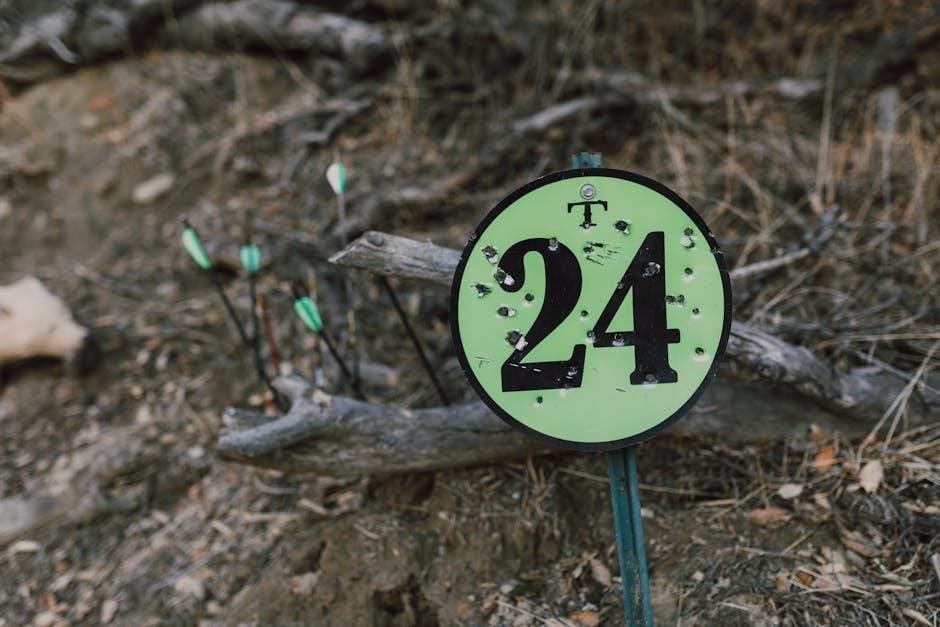
A truly transparent outfitter will detail their methodology‚ specifying whether the rate includes all hunters‚ or only those physically capable of making a shot. Consider factors beyond the overall percentage – the average size and quality of harvested elk‚ and the hunter’s experience level.
Remember that elk hunting is inherently challenging‚ and no outfitter can guarantee a harvest. Focus on outfitters who prioritize ethical hunting practices and a positive overall experience‚ even if the success rate isn’t the highest advertised.
Negotiating Package Deals and Discounts
When exploring affordable guided elk hunts‚ don’t hesitate to negotiate with potential outfitters. Many are willing to offer discounts‚ particularly during off-peak seasons or for groups. Inquire about package customization – can you reduce costs by opting for a shorter hunt duration‚ or simpler accommodations?
Ask if they offer discounts for military personnel‚ veterans‚ or first-time elk hunters. Some outfitters provide bundled deals including transportation or gear rentals‚ potentially saving you money. Be upfront about your budget and what you’re willing to spend;
Don’t be afraid to politely ask if the listed price is the best they can offer. Building a rapport with the outfitter can also open doors to negotiation. Remember‚ respectful communication is key to securing a favorable deal.

Average Trip Costs (2025 Estimates)
Elk hunting trip expenses vary widely‚ ranging from approximately $1‚000 for a basic hunt to over $15‚000 for a luxury experience‚ depending on location and amenities.
Low-End Budget (Basic Hunt)
A basic‚ affordable elk hunt typically falls within the $3‚000 ⎯ $5‚000 range‚ focusing on minimizing costs without completely sacrificing quality. This budget prioritizes essential elements‚ often involving a shorter duration hunt – perhaps 5-7 days – and more rustic accommodations like shared lodging or camping.
Expect a guided hunt with a smaller outfitter‚ potentially in a less-renowned area‚ or during off-peak seasons. Non-resident tag fees‚ which can range from $586 (Idaho archery) to significantly higher amounts in other states‚ are a major component. Travel expenses‚ including fuel and potentially a budget airline ticket‚ contribute substantially.
Gear costs can be mitigated if you already possess essential hunting equipment; however‚ anticipate spending around $200-$500 on necessary supplies. Meals are often self-catered or included as basic camp fare. This option is ideal for hunters willing to sacrifice comfort for affordability and a genuine wilderness experience.
Mid-Range Budget (Comfortable Hunt)
A comfortable elk hunting experience generally ranges from $5‚000 to $8‚000‚ striking a balance between affordability and enhanced amenities. This budget allows for a 5-7 day hunt with a reputable outfitter offering more comfortable lodging – think cabins or comfortable wall tents – and improved meal options‚ often including cooked meals.
You can expect a higher success rate due to access to better hunting grounds and more experienced guides. Non-resident tag costs remain a significant factor‚ but the increased budget allows for flexibility in choosing states with reasonable pricing. Travel expenses are moderate‚ potentially including a direct flight and a rental vehicle.
Gear requirements are similar to the basic hunt‚ but you might invest in upgraded equipment for increased comfort and performance. This tier provides a well-rounded experience‚ prioritizing both hunting success and a pleasant stay in the wilderness.
High-End Budget (Luxury Hunt)
For a truly luxurious elk hunting experience‚ anticipate spending $8‚000 and upwards‚ potentially exceeding $15‚000 or more. This budget unlocks premium outfitted hunts featuring lodge accommodations with private rooms and ensuite bathrooms‚ gourmet meals prepared by a chef‚ and personalized service.

Expect one-on-one guiding‚ access to exclusive hunting areas with exceptional elk populations‚ and potentially the use of pack animals or even horseback riding. Travel is typically first-class‚ with chartered flights to remote locations. Gear is top-of-the-line‚ often provided by the outfitter‚ ensuring optimal performance and comfort.
Success rates are generally very high‚ and the focus is on a seamless‚ unforgettable hunting adventure. This tier caters to hunters who prioritize comfort‚ convenience‚ and a premium experience above all else‚ offering the ultimate elk hunting indulgence.