Somatic Yoga Sequence PDF: A Comprehensive Guide (Updated 04/22/2026)
Discover a pathway to enhanced well-being through mindful movement! This guide offers Somatic Flow Yoga, emphasizing smooth transitions, deep stretches, and focused breathing for optimal joint health.
What is Somatic Yoga?
Somatic Yoga represents a profound evolution in yoga practice, shifting the focus from achieving specific postures to cultivating a deeper awareness of internal sensations. Unlike traditional yoga, which often emphasizes external alignment, Somatic Yoga prioritizes the interoceptive experience – the feeling of life within the body.
It’s a mindful approach that encourages you to listen to your body’s innate wisdom, moving with fluidity and responding to subtle cues. Somatic Flow Yoga, a key component, utilizes smooth, deliberate movements and deep stretches to release tension and improve joint health. This isn’t about forcing the body into shapes; it’s about allowing the body to unfold naturally.
The practice emphasizes lubricating joints and increasing range of motion through conscious exploration. It’s a gentle yet powerful method for reconnecting with your body, fostering a sense of presence, and promoting overall well-being. A Somatic Yoga Sequence PDF can be an excellent resource for guiding you through these mindful movements.
The Core Principles of Somatic Yoga
Somatic Yoga is built upon several foundational principles that distinguish it from other yoga styles. Interoception – the ability to perceive internal bodily sensations – is paramount. Practitioners are encouraged to tune inward, noticing subtle shifts in feeling rather than striving for external form.
Mindful Movement is central; each movement is performed with intention and awareness, fostering a deeper connection between mind and body. Fluidity replaces rigidity, allowing for organic, unforced movement patterns. Self-Regulation is key, empowering individuals to respond to their body’s needs and boundaries.
A Somatic Yoga Sequence PDF will often emphasize these principles, guiding you through practices that prioritize internal experience. The goal isn’t to achieve a “perfect” pose, but to cultivate a heightened awareness of your body’s inherent intelligence and capacity for healing. This approach supports improved joint health and a greater sense of embodied presence.
Benefits of a Somatic Yoga Practice
A Somatic Yoga Sequence PDF unlocks a wealth of benefits extending beyond typical physical exercise. Improved Joint Health is a cornerstone, as mindful movement lubricates joints and expands range of motion. This practice cultivates Increased Body Awareness, fostering a deeper connection to internal sensations and signals.
Stress Reduction is significant; the focus on breath and internal experience calms the nervous system. Enhanced Flexibility arises not from forcing the body, but from gently exploring its natural capacity. Pain Management can be supported through mindful movement and releasing tension patterns.
Furthermore, somatic yoga promotes Emotional Release by addressing stored tension in the body. Regularly utilizing a Somatic Yoga Sequence can lead to greater self-understanding, resilience, and an overall sense of well-being, improving both physical and mental health.
Somatic Yoga vs. Traditional Yoga: Key Differences
Somatic Yoga, often accessed through a Somatic Yoga Sequence PDF, diverges from traditional yoga in its core approach. Traditional yoga frequently emphasizes achieving specific postures, while somatic yoga prioritizes how you move, focusing on internal sensation and self-regulation.
Alignment in traditional yoga is often externally focused, whereas somatic yoga encourages finding alignment from within, respecting individual body variations. Proprioception – the sense of body position – is central to somatic practice, fostering deeper awareness.
Traditional yoga may involve holding poses for extended periods, while somatic yoga utilizes fluid, mindful movements. A Somatic Yoga Sequence is designed to rebuild the connection between the brain and body, addressing habitual tension patterns, unlike the more form-focused approach of many traditional styles.
Understanding the Somatic Experience
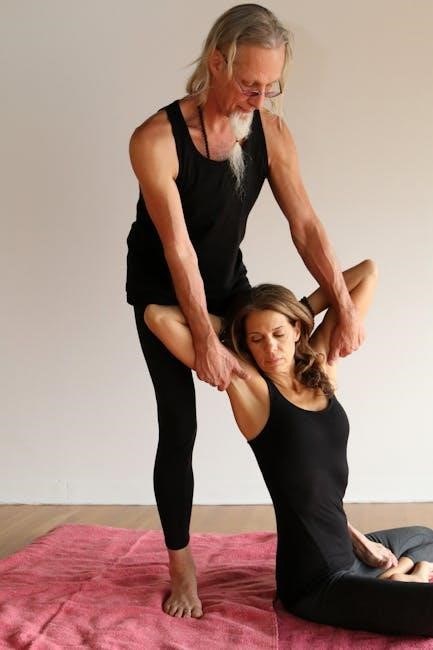
Explore the profound connection between mind and body! Somatic practices, often found in a Somatic Yoga Sequence PDF, cultivate internal awareness and nervous system regulation.
Interoception and Somatic Awareness
Interoception, the sense of the internal state of the body, is absolutely central to a successful Somatic Yoga Sequence PDF practice. It’s about tuning inward, noticing sensations – not to change them, but simply to observe. This differs greatly from external cues often emphasized in traditional fitness.
Somatic awareness builds upon interoception, fostering a deeper understanding of how sensations relate to emotions and past experiences. A well-designed Somatic Yoga Sequence PDF will guide you through movements that encourage this exploration.
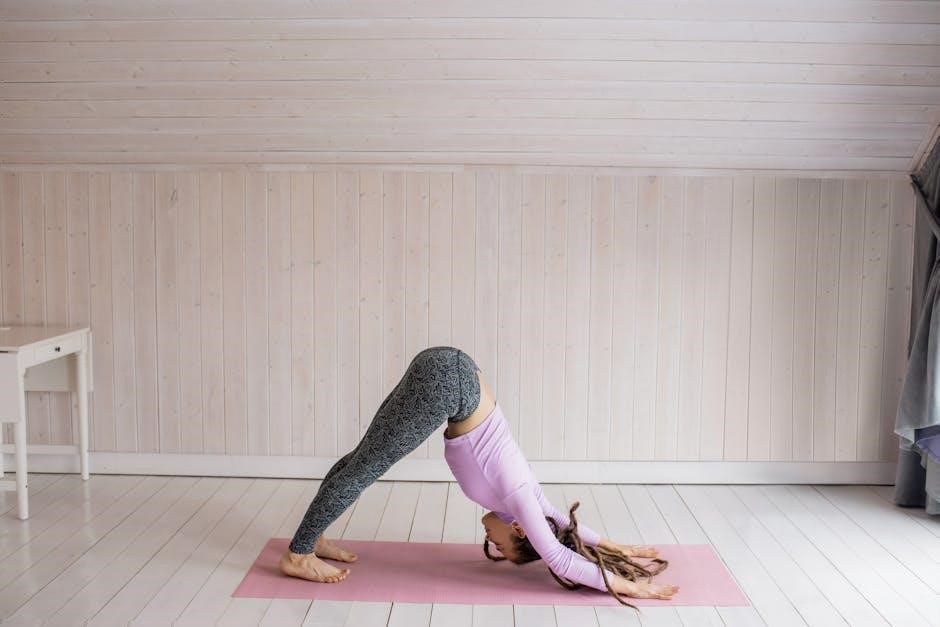
Instead of striving for a perfect pose, the focus shifts to what’s happening within your body during the movement. Are there areas of tension? What sensations arise with each breath? Cultivating this internal dialogue is key. The goal isn’t flexibility, but a heightened awareness of your body’s inherent wisdom and capacity for self-regulation, often detailed within the PDF’s instructions.
The Role of the Nervous System in Somatic Yoga
Somatic Yoga, as detailed in a comprehensive Somatic Yoga Sequence PDF, profoundly impacts the nervous system. Unlike forceful stretching, it prioritizes gentle, mindful movement to regulate the autonomic nervous system – specifically, shifting from “fight or flight” (sympathetic dominance) to “rest and digest” (parasympathetic dominance).
A thoughtfully crafted PDF will emphasize movements that create a sense of safety and grounding. Slow, deliberate actions send signals to the brain that it’s safe to relax, releasing chronic tension held within the body.
This isn’t about achieving a physical shape, but about re-wiring the nervous system through sensation. The sequence aims to build resilience, improve emotional regulation, and reduce the physiological effects of stress. Understanding this neurological impact is crucial for maximizing the benefits of your practice, as explained within the PDF’s guidance.
Trauma-Informed Somatic Yoga
A Somatic Yoga Sequence PDF designed with trauma-informed principles recognizes the profound impact trauma can have on the body and nervous system. It moves away from prescriptive poses and emphasizes agency – empowering the practitioner to listen to their internal experience and modify movements as needed.
This approach, detailed within a quality PDF, prioritizes safety, choice, and non-judgment. It avoids triggering sensations or re-traumatization by offering variations and encouraging self-compassion. The sequence focuses on building a sense of embodied presence and resourcefulness.
Crucially, trauma-informed yoga isn’t about “fixing” trauma, but about fostering a deeper connection to the body and cultivating self-regulation skills. The PDF should clearly articulate these principles and provide guidance for adapting the practice to individual needs and sensitivities.
Building a Somatic Yoga Sequence
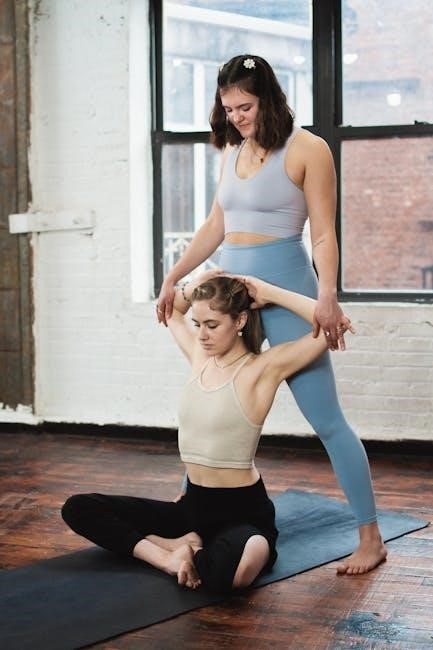
Crafting a Somatic Yoga Sequence PDF involves mindful transitions, prioritizing internal sensations over achieving specific poses, and fostering body awareness for healing.
Warm-up: Gentle Joint Mobilization
Begin your Somatic Yoga Sequence PDF practice with a foundational warm-up focused on gentle joint mobilization. This phase is crucial for preparing the body for deeper work, enhancing range of motion, and lubricating the joints – a key aspect of Somatic Flow Yoga.
Start with slow, circular movements of the ankles, wrists, and knees. Pay close attention to any sensations arising, without judgment. Progress to gentle neck rolls and shoulder circles, coordinating these movements with your breath.
Include wrist and ankle rotations, followed by subtle hip circles. These movements should be performed with mindful awareness, noticing any areas of tension or restriction. The goal isn’t to push your limits, but to awaken awareness within the joints.
Remember to move slowly and deliberately, allowing each joint to explore its natural range of motion. This mindful approach sets the stage for a deeply embodied somatic experience.
Core Engagement & Stabilization
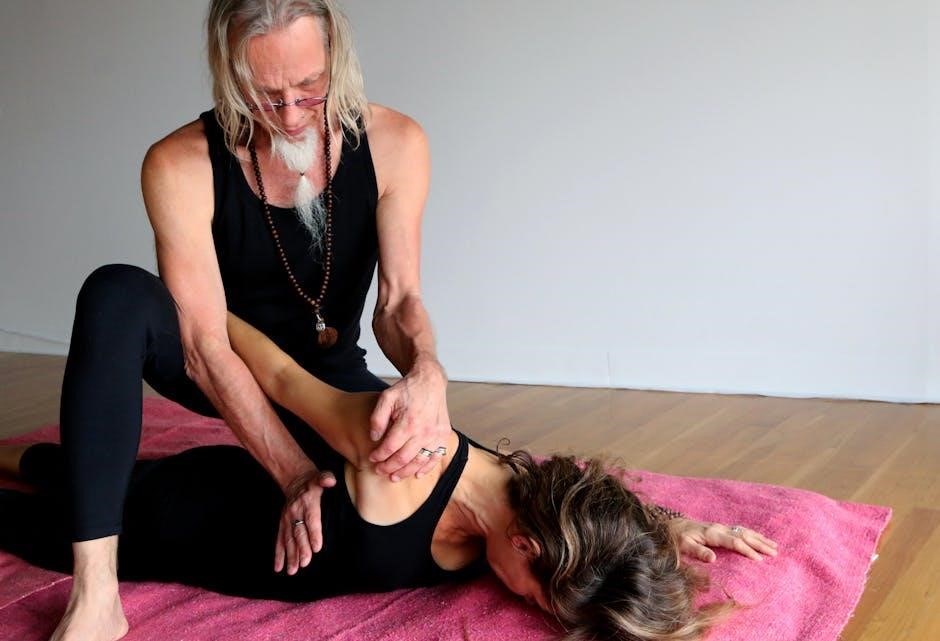
Following the gentle joint mobilization in your Somatic Yoga Sequence PDF, transition to core engagement and stabilization. This isn’t about achieving a six-pack; it’s about finding a deep, supportive connection to your center.
Begin with a subtle awareness of your pelvic floor, gently drawing it upwards. Then, engage your transverse abdominis – imagine drawing your navel towards your spine without holding your breath. Maintain a soft quality to this engagement, avoiding bracing or tension.
Explore variations like gentle pelvic tilts, noticing how these movements affect your core connection. Incorporate supine knee folds, maintaining core stability as you lift and lower each leg.
Focus on maintaining a neutral spine throughout these exercises. The aim is to build a foundation of support that allows for fluid, pain-free movement in subsequent poses. This mindful core work is integral to Somatic Flow Yoga.
Spinal Movements: Cat-Cow Variations
Continuing your Somatic Yoga Sequence PDF journey, introduce spinal movements with Cat-Cow variations. These classic poses, approached somatically, become a powerful exploration of interoception and spinal health.
Begin on your hands and knees, aligning wrists under shoulders and knees under hips. As you inhale, gently arch your spine towards the ceiling, dropping your belly and lifting your gaze (Cow Pose). Exhale, rounding your spine towards the ceiling, tucking your chin to your chest (Cat Pose).
Focus on moving with your breath, allowing each vertebra to articulate. Explore variations like lateral Cat-Cow, moving your spine side to side. Notice any sensations – tightness, ease, or neutrality – without judgment.
Emphasize slow, mindful movements, prioritizing sensation over achieving a specific shape. This somatic approach to Cat-Cow cultivates awareness and releases tension along the spine, enhancing fluidity.
Hip Openers: Supported Reclined Butterfly
Deepen your Somatic Yoga Sequence PDF practice with a supported Reclined Butterfly pose, a gentle yet profound hip opener. This variation prioritizes comfort and allows for deep release in the inner thighs, groin, and hips.
Lie on your back and bring the soles of your feet together, allowing your knees to fall open to the sides. Support your knees with blankets, bolsters, or pillows – ensuring they are comfortably supported and not strained.
Close your eyes and focus on your breath. Notice the sensations in your hips and inner thighs. Allow gravity to gently draw your knees closer to the floor with each exhale, only if it feels comfortable.
Hold this pose for several minutes, allowing your body to fully surrender into the support. This somatic approach encourages release of deeply held tension and promotes a sense of spaciousness in the hips.
Forward Folds: Hamstring & Spine Release
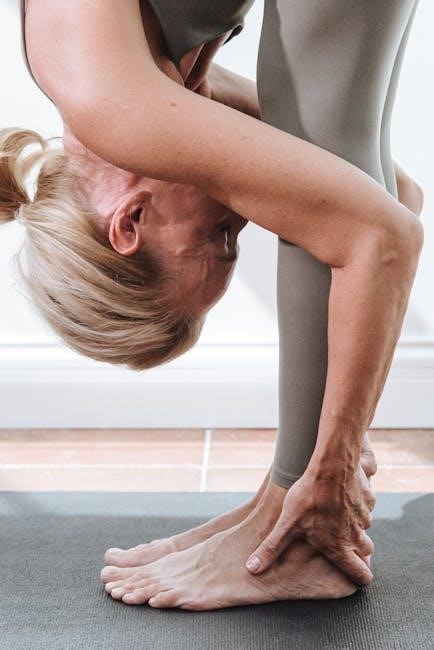
Enhance your Somatic Yoga Sequence PDF with mindful forward folds, designed to release tension in the hamstrings and spine. Unlike traditional forceful stretching, this somatic approach emphasizes gentle exploration and honoring your body’s limits.
Begin seated with legs extended forward. Instead of reaching for your toes, focus on lengthening the spine forward, maintaining a gentle curve. Allow your head and neck to relax. Notice where you feel resistance – this is where the work lies.
Breathe deeply into the areas of tension. With each exhale, imagine softening and releasing. You can keep a generous bend in your knees, prioritizing spinal length over hamstring flexibility.
Explore micro-movements – small shifts in your pelvis or spine – to find areas of greater release. This somatic awareness cultivates a deeper connection to your body and promotes lasting flexibility.
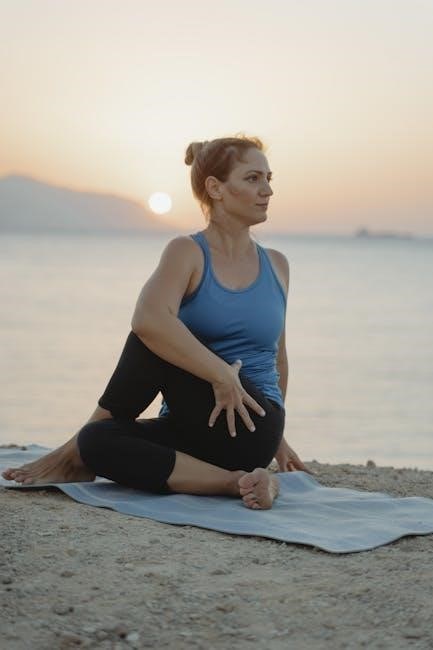
Specific Poses for a Somatic Yoga Sequence
Explore foundational poses adapted for somatic practice! Child’s Pose, Supported Bridge, Legs-Up-The-Wall, and Supine Twists promote deep relaxation and body awareness.
Child’s Pose (Balasana) – Somatic Adaptation
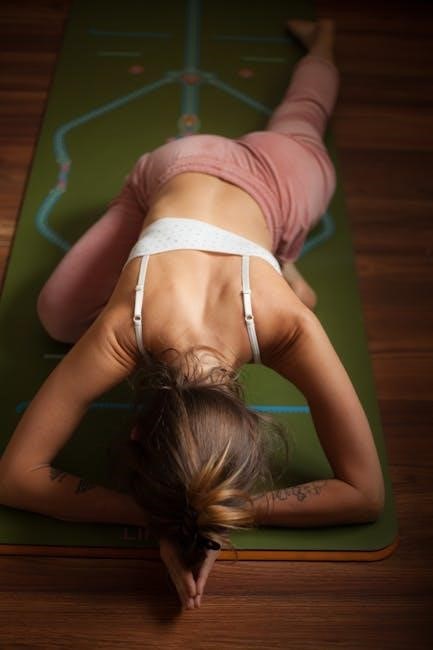
Child’s Pose, or Balasana, is often a resting pose in traditional yoga, but within a somatic context, it becomes a powerful opportunity for interoceptive awareness and nervous system regulation. Instead of striving for a “perfect” pose, a somatic adaptation encourages exploration of individual comfort levels.
Begin by gently widening the knees, allowing space for the torso to rest between the thighs. Extend arms forward or rest them alongside the body, noticing which feels more grounding. The key is to listen to your body; modifications are welcomed. Perhaps a bolster under the chest or forehead can enhance relaxation.
Focus on the sensations of gravity supporting you, the gentle rise and fall of the breath, and any areas of tension. Notice where you feel supported and where you feel a stretch. This isn’t about achieving a deeper stretch, but about cultivating a felt sense of safety and allowing the body to release tension organically. Stay in the pose for several breaths, continually checking in with your internal experience.
This somatic approach transforms a simple pose into a profound practice of self-regulation and body awareness.
Supported Bridge Pose (Setu Bandhasana)
Supported Bridge Pose, or Setu Bandhasana, offers a gentle yet effective way to open the chest, strengthen the back, and cultivate a sense of grounding. The “supported” aspect is crucial within a somatic framework, prioritizing comfort and allowing the body to release effortfully.
Begin by lying on your back with knees bent and feet flat on the floor. Lift your hips, and gently slide a block (or folded blanket) under your sacrum – the flat bone at the base of your spine. Choose a height that feels comfortable and allows for a gentle curve in the lower back.
Arms can rest alongside the body, palms facing down, or gently support the lower back. Focus on the sensations of being supported, allowing the weight of your body to be fully held. Notice the breath moving into the chest and abdomen.
This pose isn’t about lifting higher, but about allowing the support to release tension in the spine and hips. Stay for several breaths, continually adjusting the support as needed.
Legs-Up-The-Wall Pose (Viparita Karani)
Legs-Up-The-Wall Pose, known as Viparita Karani, is a profoundly restorative pose, deeply beneficial within a somatic yoga practice. It gently reverses the effects of gravity, promoting venous drainage and calming the nervous system. This pose isn’t about achieving a specific shape, but about experiencing a state of supported relaxation.
Begin by sitting with one side of your body against a wall. Gently swing your legs up the wall as you lower your back to the floor. Your hips don’t need to be right against the wall; find a comfortable distance. Arms can rest comfortably by your sides, palms facing up.
Notice the sensations in your legs and feet. Allow gravity to draw the blood back towards your core. Focus on softening the muscles in your legs, hips, and lower back. Breathe deeply and evenly, allowing your body to fully surrender to the support of the wall.
Stay in the pose for 5-15 minutes, adjusting as needed.
Gentle Twists: Supine Spinal Twist
Supine Spinal Twist is a gentle yet effective pose for releasing tension in the spine and stimulating digestion, crucial within a somatic yoga sequence. Unlike forceful twists, this variation emphasizes mindful movement and respecting your body’s limitations. The focus is on sensation, not achieving a deep twist.
Lie on your back with knees bent and feet flat on the floor. Extend your arms out to the sides, forming a ‘T’ shape. Gently drop both knees to one side, keeping your shoulders grounded. You can gaze softly towards the opposite hand.
Notice any sensations along your spine, in your hips, and in your abdomen; Breathe deeply into the areas of tension, allowing them to soften with each exhale. Avoid forcing the twist; let gravity do the work.
Hold for 5-10 breaths, then gently return to center and repeat on the other side.
Integrating Breathwork (Pranayama)
Breathwork is vital for somatic yoga, enhancing body awareness and nervous system regulation. Diaphragmatic and Ujjayi breaths deepen the somatic experience, promoting calm and presence.
Diaphragmatic Breathing (Belly Breathing)
Diaphragmatic breathing, often called belly breathing, forms a cornerstone of somatic yoga practice. It’s a technique focused on fully engaging the diaphragm – the primary muscle of respiration – to promote deeper, more efficient breathing patterns. Unlike shallow chest breathing, diaphragmatic breathing encourages the abdomen to expand on the inhale and gently contract on the exhale.
To practice, lie comfortably on your back with knees bent and feet flat on the floor. Place one hand on your chest and the other on your belly. Inhale slowly through your nose, noticing your belly rise while keeping your chest relatively still. Exhale slowly through your mouth, feeling your belly fall.
This technique directly impacts the nervous system, shifting it from a state of “fight or flight” (sympathetic dominance) to a state of “rest and digest” (parasympathetic dominance). Regular practice can reduce stress, lower heart rate, and improve overall body awareness, making it an invaluable component of a somatic yoga sequence PDF.
Ujjayi Breath (Ocean Breath) – Somatic Application
Ujjayi breath, also known as “ocean breath” due to the sound it creates, is a powerful pranayama technique frequently integrated into somatic yoga. It involves a slight constriction in the back of the throat, as if whispering “haaa,” during both inhalation and exhalation. This creates a soft, oceanic sound and generates a gentle heat within the body.
In a somatic context, Ujjayi breath isn’t about forcing the breath, but rather about subtly modulating it to enhance interoceptive awareness – the ability to sense internal bodily states. The sound acts as an anchor, drawing attention inward and deepening the connection to the present moment.
Practicing Ujjayi during poses helps to regulate the nervous system, cultivate focus, and increase energy flow. It’s a valuable tool within a somatic yoga sequence PDF, promoting mindful movement and a deeper embodiment of the practice, fostering a sense of calm and centeredness.
Resources & Finding Somatic Yoga PDFs
Explore reputable websites and teachers for downloadable sequences! Discover valuable PDFs offering somatic yoga practices, enhancing your journey towards mindful movement and well-being.
Reputable Websites Offering Somatic Yoga Sequences
Numerous online platforms provide access to carefully curated somatic yoga sequences in PDF format. Movement for Modern Life stands out, offering a diverse library of classes, including somatic explorations, often with downloadable resources. Their instructors are highly qualified, and the platform emphasizes accessibility for all levels.
Yoga International is another excellent resource, featuring articles and practices focused on somatic experiencing. You can often find downloadable sequences designed to cultivate interoception and nervous system regulation. DoYogaWithMe provides a selection of free and premium somatic yoga classes, some of which include accompanying PDF guides detailing the sequence and key principles.
Tracey Ecuyer Yoga’s website is dedicated to somatic movement and offers workshops and resources, potentially including downloadable sequences. Always check the website’s terms of use regarding PDF downloads. Insight Timer, while primarily a meditation app, also hosts yoga classes, and some teachers may offer downloadable somatic yoga sequences as part of their offerings. Remember to verify the instructor’s credentials and the quality of the sequence before integrating it into your practice.
Popular Somatic Yoga Teachers & Their Resources
Several influential teachers are shaping the landscape of somatic yoga, offering valuable resources, including downloadable sequences and online courses. Dr. Arielle Schwartz, a licensed psychologist and yoga teacher, specializes in trauma-informed somatic practices and provides workshops and resources on her website. Look for downloadable guides complementing her teachings.
Bonnie Bainbridge Cohen, a pioneer in Body-Mind Centering®, has profoundly influenced somatic movement. While direct PDF sequences may be less common, exploring resources related to her work can inform your practice. Peter Levine, known for his Somatic Experiencing® approach, offers workshops and books that complement somatic yoga, aiding in understanding the nervous system’s role.
Tracey Ecuyer is a dedicated somatic movement educator offering online courses and potentially downloadable sequences focused on gentle, embodied exploration. Nisha Moodley provides somatic yoga classes and workshops, often sharing insights and resources on her social media platforms. Exploring these teachers’ websites and online platforms will reveal valuable resources to deepen your somatic yoga journey.
Considerations When Choosing a Somatic Yoga PDF
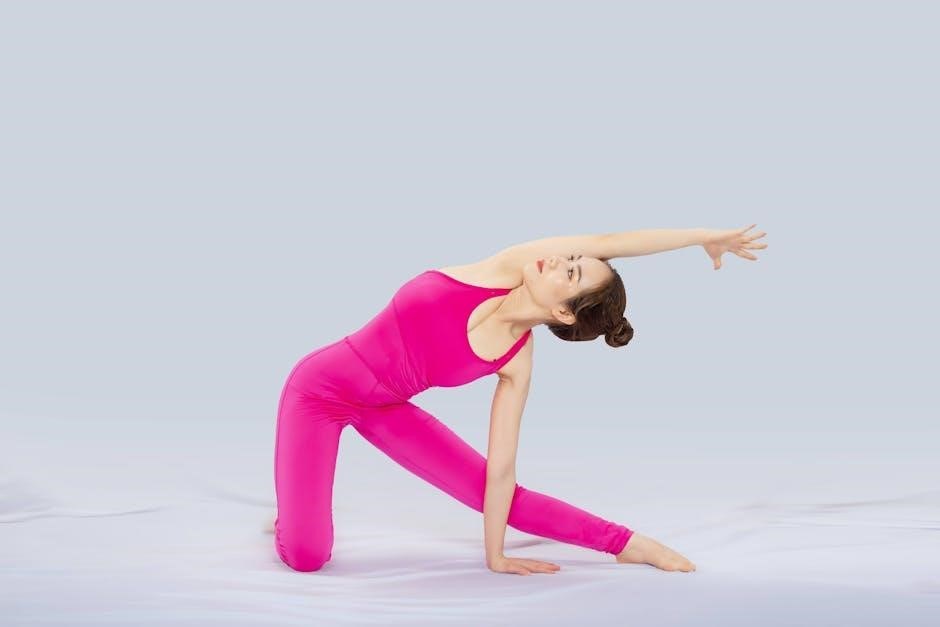
Selecting the right somatic yoga PDF requires careful consideration. Prioritize PDFs created by qualified and experienced teachers with a strong understanding of anatomy, physiology, and trauma-informed principles. Ensure the sequence emphasizes mindful movement, interoception, and nervous system regulation, rather than pushing into extreme poses.
Look for PDFs that offer clear instructions, modifications, and contraindications, catering to diverse body types and needs. Assess whether the PDF aligns with your personal goals – are you seeking gentle restoration, nervous system support, or deeper body awareness? Beware of PDFs promoting forceful stretching or ignoring bodily sensations.
Check for resources that encourage self-exploration and intuitive movement, empowering you to adapt the sequence to your unique experience. Consider the PDF’s source – reputable websites and established teachers are generally more reliable. Remember, somatic yoga is about listening to your body, so choose a guide that honors that principle.